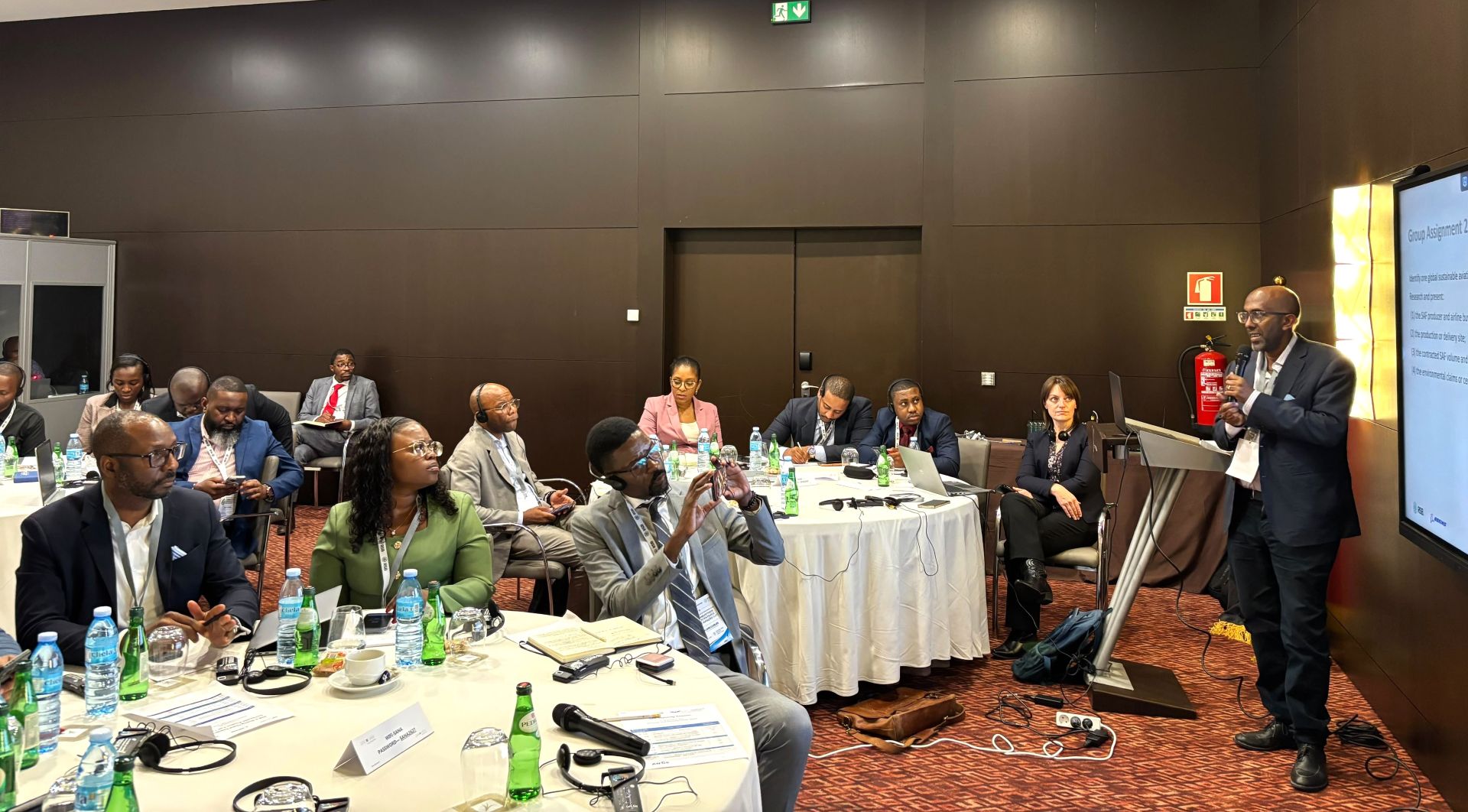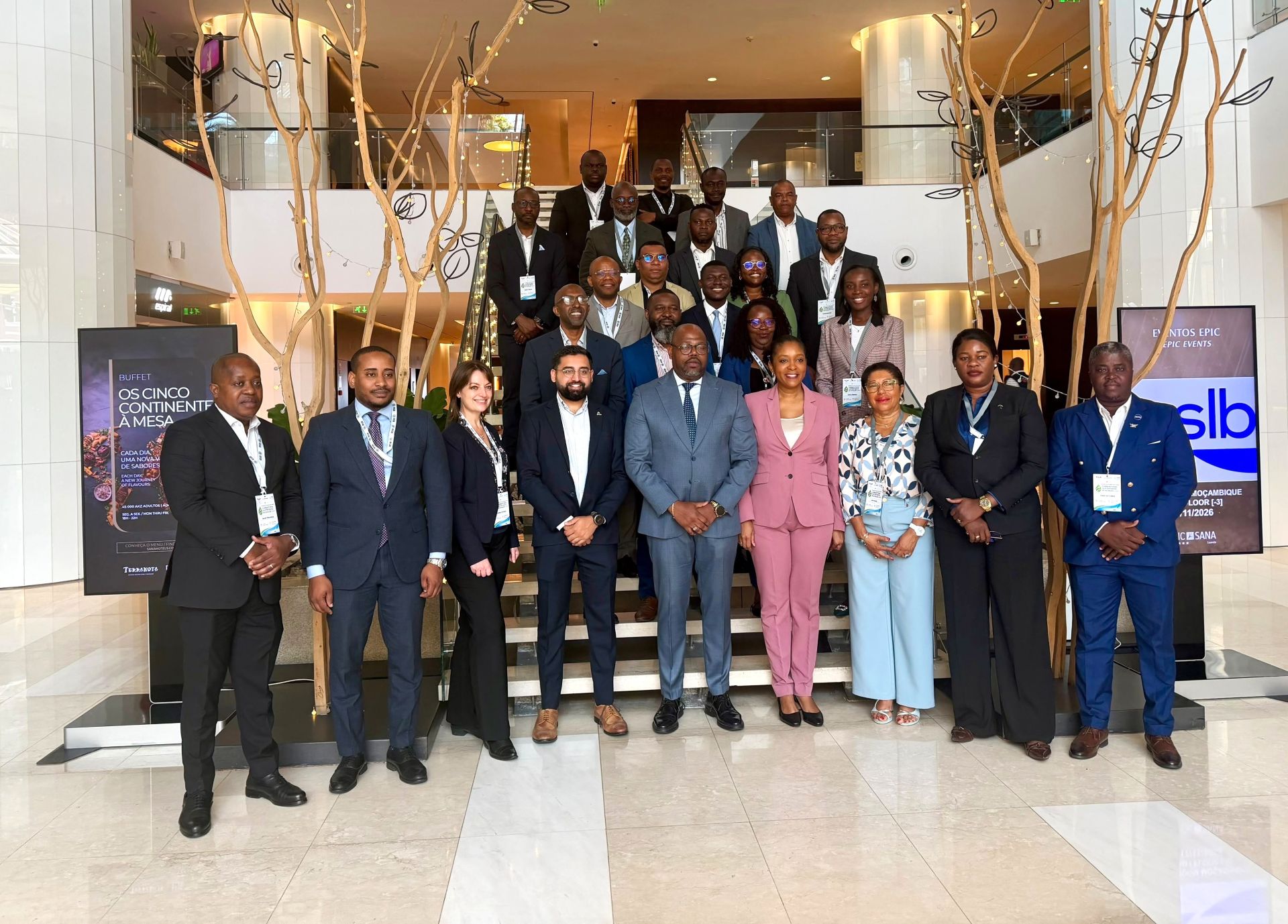
Participants from Angola joined a Sustainable Aviation Fuel (SAF) workshop organized by Boeing and the Roundtable on Sustainable Biomaterials (RSB) in Luanda on November 17-19. They included government ministries, civil aviation authority, TAAG Angola Airlines, energy companies and academic institutions.
“The workshop offered an in-depth look at sustainable aviation fuel pathways, feedstocks and policy considerations, to help inform future opportunities for local SAF production and use in Angola”, said Hamzah Ahmed, Boeing sustainability lead for Africa and the Middle East.
“Credibility depends on what a standard measures. RSB brings standards built on a multi-sector approach and transparency that look beyond greenhouse gas emissions to social, labor and land impacts. We are grateful to Boeing and ANAC for the partnership, and look forward to credible, measurable progress in Angola,” said Bettina Paschke, RSB executive director.
Broader context
Hosted by Angola’s National Civil Aviation Authority (ANAC), the workshop supported the SAF feasibility study led by ANAC and the International Civil Aviation Organization (ICAO) through the ACT-SAF initiative. The ongoing study is examining locally available feedstocks and the potential for SAF production in Angola, which could create jobs and contribute to the economic growth while strengthening the country’s energy resilience.
Why it matters
Air travel in Africa is expected to grow significantly in the coming decades. According to Boeing’s 2026 Commercial Market Outlook, the continent’s airplane fleet will more than double by 2045 to meet rising demand. Boeing is working with the industry to retain economic and societal benefits of aviation while reducing the sector’s emissions as it continues to grow.
SAF offers an immediate drop-in solution to help reduce the fuel’s lifecycle emissions by up to 80% compared to conventional jet fuel and works with today’s airplanes and fuel infrastructure. Alongside fleet renewal and operational efficiency measures, SAF is a key lever for reducing aviation emissions.
From theory to practice
Over three days in Luanda, participants explored SAF production pathways and certification, alongside global policy frameworks, including ICAO Carbon Offsetting and Reduction Scheme for International Aviation, known as CORSIA, and European Union mandates.
The workshop combined theory with case studies and group exercises to explore how evolving SAF technologies and policies could apply in Angola. To connect these discussions with real-world operations, participants concluded the workshop with a visit to Dr. António Agostinho Neto International Airport in Luanda.